
Bankruptcy provides immense benefits to households that are drowning in debt and feel that they have nowhere else to turn. There are two main forms of consumer bankruptcy; chapter 7 bankruptcy and chapter 13 bankruptcy. They address debts in different ways, and have different eligibility requirements for debtors who seek their benefits. Chapter 7 is a liquidation bankruptcy, and a debtor must fall below a certain income threshold to qualify. Chapter 13 is a repayment plan bankruptcy, so a debtor must earn enough to pay off certain debts within a certain time period to qualify. But this is just the beginning of the bankruptcy process. Every step must be completed fully and accurately, or your bankruptcy filing might not be as effective as it could have been. Read this list of questions you should ask yourself before filing a petition for chapter 7 or chapter 13 bankruptcy in Gilbert. To discuss the answers to these questions with an experienced Gilbert bankruptcy professional, call 480-448-9800.
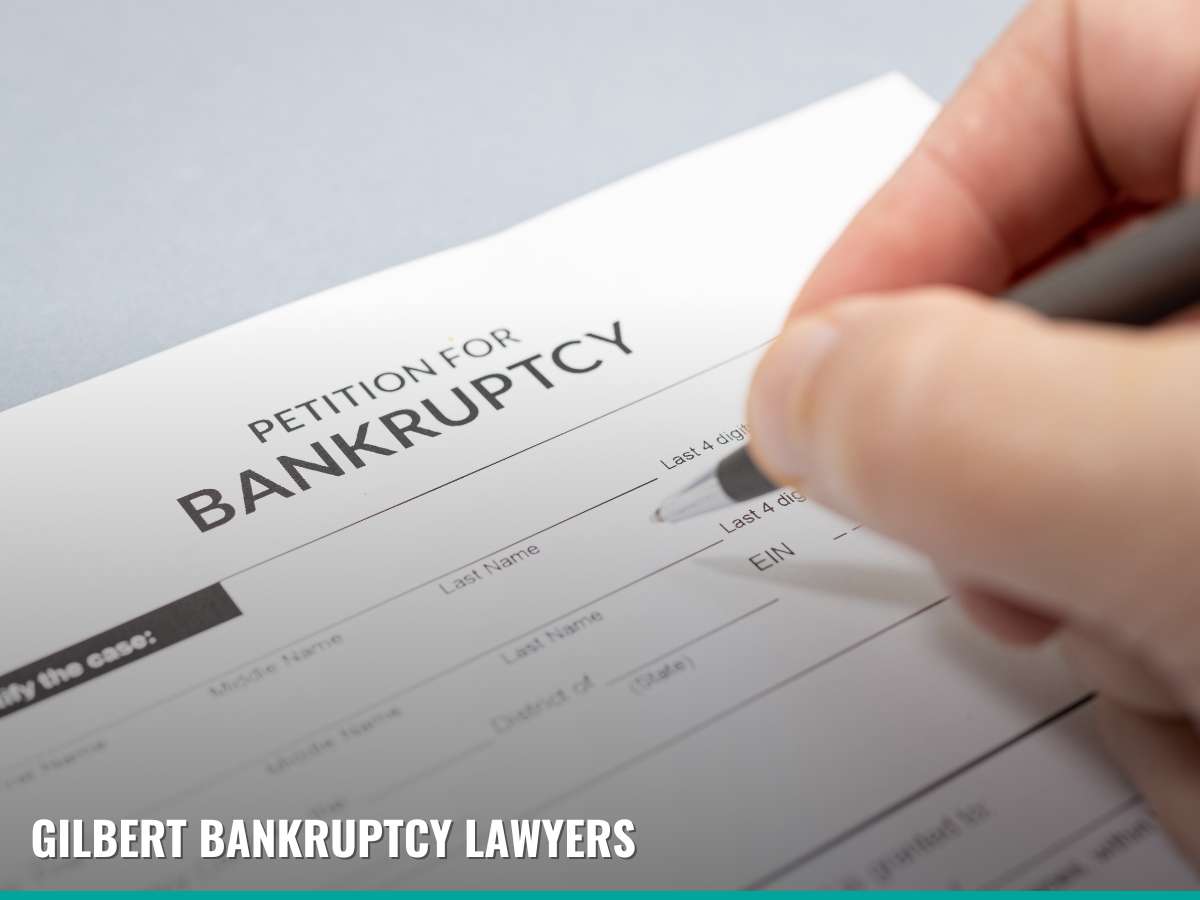
Do I Have All My Paystubs to Accurately Calculate My Income?
Income is one of the biggest factors that determines a debtor’s bankruptcy eligibility. A debtor must have enough income to qualify for chapter 13 bankruptcy, but have income that falls below a certain threshold to qualify for chapter 7 bankruptcy. In both types of bankruptcy cases, income is derived from the average over the last six months. Don’t forget to include side jobs and secondary sources of income. Your pay stubs also show your deductions, which could become relevant if you need to conduct the means test to qualify for chapter 7 bankruptcy.
Do I Have My Required Forms of Identification Ready?
Debtors are required to verify their identity to complete a bankruptcy discharge, or it would create endless opportunities for bankruptcy fraud. These must be official forms of ID, not an ID or badge used for work, volunteering, etc. One must be a photo form of identification, like a passport or a driver’s license. The other must include your full Social Security number- most debtors use a social security card, but an original W-2 will work, too. If you are missing either, make sure to request new copies right away so your case isn’t delayed by an inability to verify your identity.
Have I Completed the Online Credit Counseling Course?
Bankruptcy debtors must complete one credit counseling course before filing, and a debtor education course within 60 days of attending the 341 Meeting of Creditors. When you finish the course, you (or your attorney) will be provided with a completion certificate. This must be included with the rest of your documents when your petition is filed. The course completion certificate is valid for 180 days, meaning you can take the course up to 6 months before filing your bankruptcy petition. We don’t recommend leaving this course for the last minute, in case you find yourself in a worst-case emergency collections situation and your filing is delayed because you can’t take the course for some reason.
Have I Filed for Bankruptcy in the Last Decade?
There are waiting periods between bankruptcy filings before a debtor is eligible to clear their debts once more. If you file for bankruptcy too soon after a prior bankruptcy discharge, your case will be dismissed, and your debts won’t be cleared. Waiting periods are based on the first chapter and second chapter of bankruptcy filed. For a debtor who files for chapter 7 bankruptcy first, they must wait 8 years to file another chapter 7 bankruptcy, or 4 years to file a chapter 13 bankruptcy. If the first case was a chapter 13 bankruptcy, the debtor must wait 2 years to file another chapter 13 bankruptcy, or 6 years to file a chapter 7 bankruptcy.
Have I Exceeded Credit Card Spending Limits Before Bankruptcy?
Bankruptcy laws were written to help avoid abuse of this debt relief system, such as limiting how much non-essential spending on credit cards debtors can discharge. Excessive cash advances are prohibited because the debtor could save up cash while preparing for bankruptcy that would not be exempt if it were in their bank account. Luxury spending- non-essential goods and services like the nail salon, restaurants, vacations, etc.- also can’t be excessive, or it could be used to show the debtor opened credit cards with the plan to clear them in bankruptcy. A bankruptcy debtor can’t spend more than $1,250 on cash advances with their credit cards in the 70 days leading up to filing for bankruptcy. They also can’t spend more than $900 on luxury purchases in the 90 days leading up to bankruptcy. Spending more than these limits could result in those debts being exempt from bankruptcy discharge.
Have I Confirmed that My Assets will Be Protected by Bankruptcy Exemptions?
In bankruptcy, a debtor must apply exemptions to protect their assets from the trustee and creditors. When a debtor fails to do this, the trustee may uncover unprotected assets and seize them to sell to pay off debts. They have every incentive to do so, too, because they keep a portion of those funds as payment. Arizona is a state that only allows debtors to use state bankruptcy exemptions rather than allowing the choice of federal bankruptcy exemptions. This is somewhat unfortunate because there is no wildcard exemption (that can be used on any asset of the debtor’s choosing) in the Arizona bankruptcy exemptions. But they still allow a debtor to protect a wide range of assets, and most debtors don’t have to give up any of their possessions to obtain a debt discharge.
Are There Unprotected Funds in My Bank Account?
Funds in a bank account are an asset that need protection like the rest of the debtor’s possessions. The exemption that protects funds in a debtor’s bank account on the day of filing is not high- $300 for an individual debtor. The trustee will review your bank account statements for several months back and see if there were nonexempt funds in your account. That amount can be taken and used to pay off your creditors. Although this is an annoying technicality, you won’t want to have your case in jeopardy in several weeks, when you might not be able to spare those funds. If possible, time your filing as close to before your payday as possible and spend nonexempt funds on reasonable purchases, which you can discuss with your bankruptcy attorney.
Have I Scheduled My Free Consultation with Gilbert’s Leading Zero-Down Bankruptcy Firm?
There are endless p’s and q’s to check when filing a bankruptcy petition in the state of Arizona. Keeping track of all of them is overwhelming for most people who don’t have specific experience in bankruptcy law. But many bankruptcy debtors believe cost is prohibitive to them hiring quality bankruptcy counsel. This doesn’t have to be the case, which our firm demonstrates by offering Zero Down post-filing payment options to eligible clients. Want to make sure your Gilbert bankruptcy filing goes off without a hitch? Schedule your free consultation with our Gilbert Bankruptcy Lawyers today by calling 480-448-9800.
 Call Us
 Text Us